How does it work for the venue (operationally)?
Before opening night: the venue sends XPERT the script in the original language plus the list of languages it wants to offer (e.g. English, Russian, German, Italian). XPERT translates the script and prepares the synchronisation data — done once per production, reused across the run.
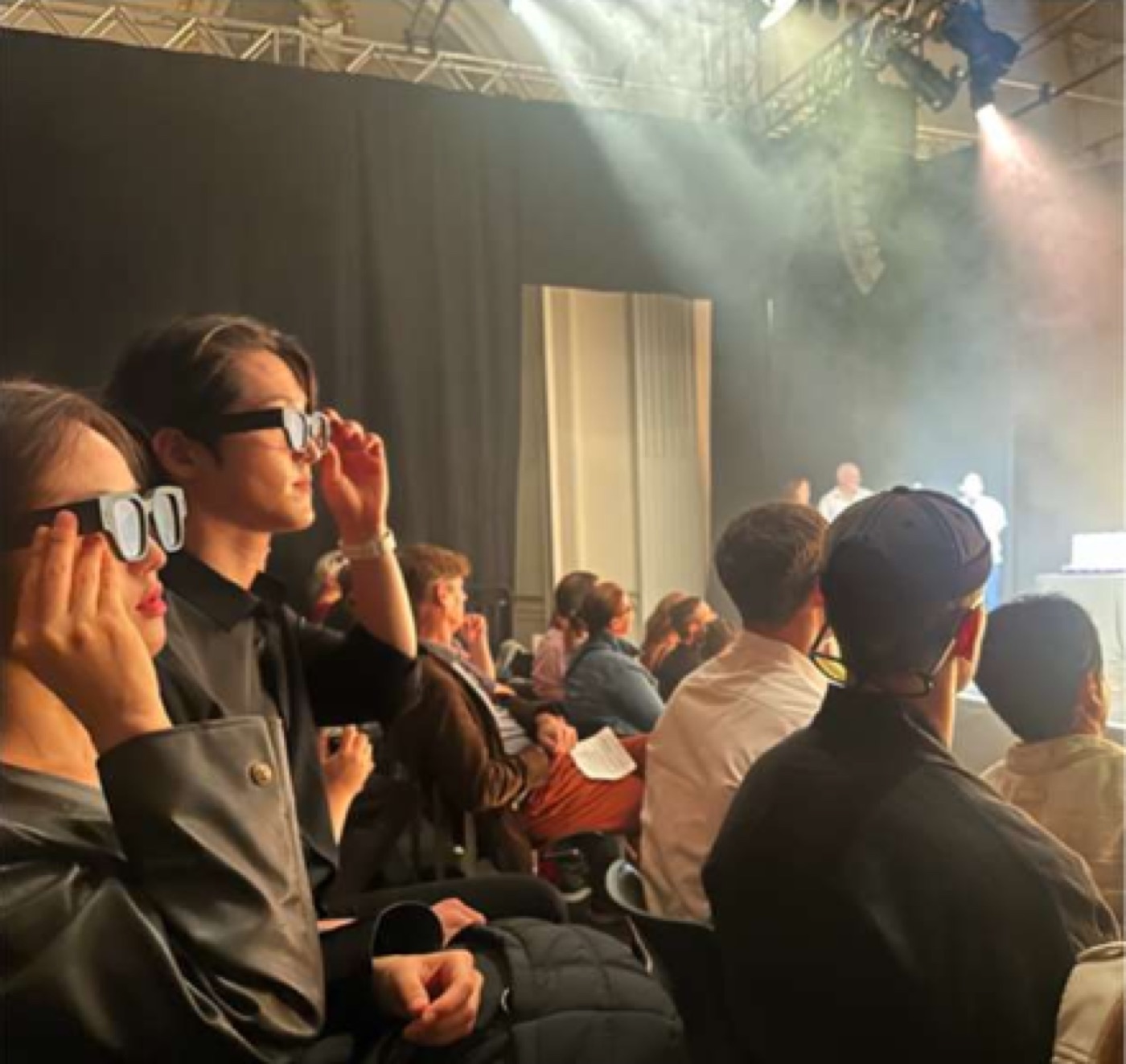
During the show: a single host PC runs the OWL software, connected to the venue's sound console via the supplied audio interface. The PC listens to the actor's voice live, AI matches it to the script in real time, and pushes the next line to every active glass in the room. One operator runs everything — typically the existing surtitle technician.
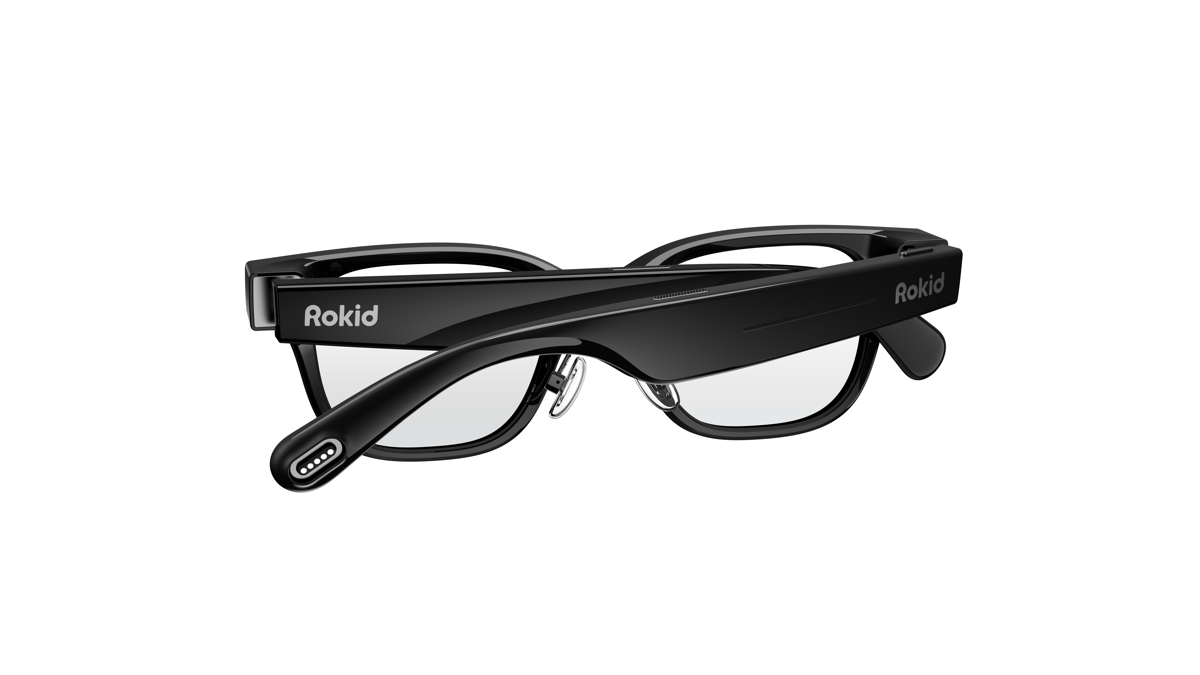
Between shows: the glasses charge on the 10-prong charging stations. No special storage, no calibration drift, no daily setup beyond plugging audio in.
Does this work with operatic vocal? Vibrato, ensembles, full orchestra?
Yes. The AI engine has been trained on live performance audio including operatic singing. It uses voice-to-script matching rather than pure transcription — it identifies the position in the libretto rather than trying to transcribe every word. This handles vibrato, choral passages and orchestral accompaniment correctly.
How is the audio captured when soloists don't wear microphones?
OWL supports multiple configurations: overhead stage microphones, a direct feed from the mixing console (if the venue records the performance), or a dedicated microphone placed in the auditorium. The optimal setup is determined during the technical assessment before each pilot.
What happens when a performer deviates from the script?
The voice-to-script matching algorithm continuously re-evaluates the position in the text. If a singer skips a passage or the conductor adjusts tempo, the system adapts within seconds. It follows the actual performance, not a fixed timeline.
Does OWL require Wi-Fi? What about venues with thick stone walls?
Wi-Fi is needed only for the host PC running the OWL software — a standard router is sufficient. Audience members use their own smartphones via mobile LTE to receive subtitles, so no high-capacity Wi-Fi infrastructure is required. For buildings with limited cellular reception, a local LTE repeater or dedicated network can be configured. Connectivity is verified during the technical assessment before any pilot.
How many glasses can work simultaneously? Will it scale to a 2,000-seat hall?
No hard limit on simultaneous connections. With audience members using their own mobile LTE, the number of seats is not a constraint at all. If dedicated Wi-Fi is used instead, a high-capacity access point can support a 2,000-seat auditorium with ease.
Who prepares the multilingual scripts for each production?
Most opera houses and theatres already have libretto translations — we work with your existing materials and format them for the OWL system. If translations are needed, we coordinate with professional translators experienced in performing arts terminology. Once prepared, the script files are reused across the entire run.
What does the full setup process look like, end-to-end?
Six steps: (1) Collect the script, translation languages, poster and performance information. (2) Input everything into the OWL admin page. (3) AI translation is processed automatically. (4) On-site installation of PC and audio interface. (5) Rehearsal — audio is recorded for voice-recognition calibration. (6) Script optimisation within the OWL program to maximise recognition accuracy during the live performance. All steps are handled as part of the deployment.
Are the OWL glasses approved for use in the European Union?
Yes — OWL glasses carry CE marking and are certified for sale and use within the EU. Relevant electrical-safety and radio-equipment directives are covered.
Which AI model powers the subtitles?
A proprietary AI speech-recognition and translation model developed in-house by XPERT INC (Seoul), trained specifically for live performance environments (stage acoustics, vocal projection, multi-actor scenes, sung text). It is not a generic consumer ASR — it is tuned for theatre.
How is data processed? Is OWL GDPR-compliant?
Audio and text are processed via XPERT's servers in real time for script-matching purposes only. No session data is stored once the performance ends. No audience personal data is collected at any point. Because nothing is retained, no audio or text from your performance is used to train AI models. Consistent with GDPR principles of data minimisation and purpose limitation.
Can a human editor or translator review subtitles live during a performance?
Yes. The OWL operator console allows a translator or editor to review and correct AI-generated subtitle output in real time — directly during a live performance. The AI handles the first-pass transcription and translation, dramatically reducing the operator workload.
How are the glasses stored, charged, and disinfected between performances?
The glasses live in your venue's own storage — typically the same area used for headsets or other audience equipment. Charging stations are included with each deployment. Disinfection is carried out by your front-of-house staff between uses, following the same protocols you already apply to shared audience devices.
What about Greek / Russian / [my language]?
27 languages already work. Greek and Russian are in active development — XPERT prioritises new languages on the roadmap when there is committed demand from the local market. If you commit to a deployment, the language gets prioritised.
How is the audience-pay model supposed to work?
The venue places a small kiosk or counter in the lobby. Audience members rent the glasses for €10 (or whatever the venue sets) before entering the auditorium. Show your ticket, get a pair, return after the show. Once the venue has bought the glasses outright, the €10 audience price covers the per-show licence (€2/glass) and goes straight to the venue's bottom line. With 70–90% uptake, the glasses pay back in 3–6 months and continue generating revenue for years.
Can I get the glasses for free?
Yes — government-owned cultural institutions can apply to the K-Inno Global Pilot Programme (Korean government). Up to 300 pairs free for 12 months. After the 12 months the hardware becomes the venue's permanent property at no further cost; continued software use is then on a per-session licence fee (~USD 1.40 / KRW 2,000 per use). Apply here.
Who do I sign the contract with, and who is responsible if something breaks?
Your purchase contract is with Mine Global Ltd (Cyprus, HE430465), the authorised European distributor of OWL — sales, quote, invoice, delivery, day-to-day relationship, all in English, in your timezone.
Hardware is manufactured by XPERT INC (Seoul), the legal warrantor:
- 2-year hardware warranty — frame, electronics, display, battery, charging — covered by XPERT
- Software, firmware, AI subtitle pipeline — built and maintained by XPERT; auto-updated
- Repairs & replacements — defective units go to XPERT (Mine Global coordinates EU logistics)
- Initial installation, language QA, operator training — by XPERT directly for the first deployment
One European number for routine matters, clear escalation to the manufacturer for technical issues. Full details in our Terms of Sale.
What's included in the price?
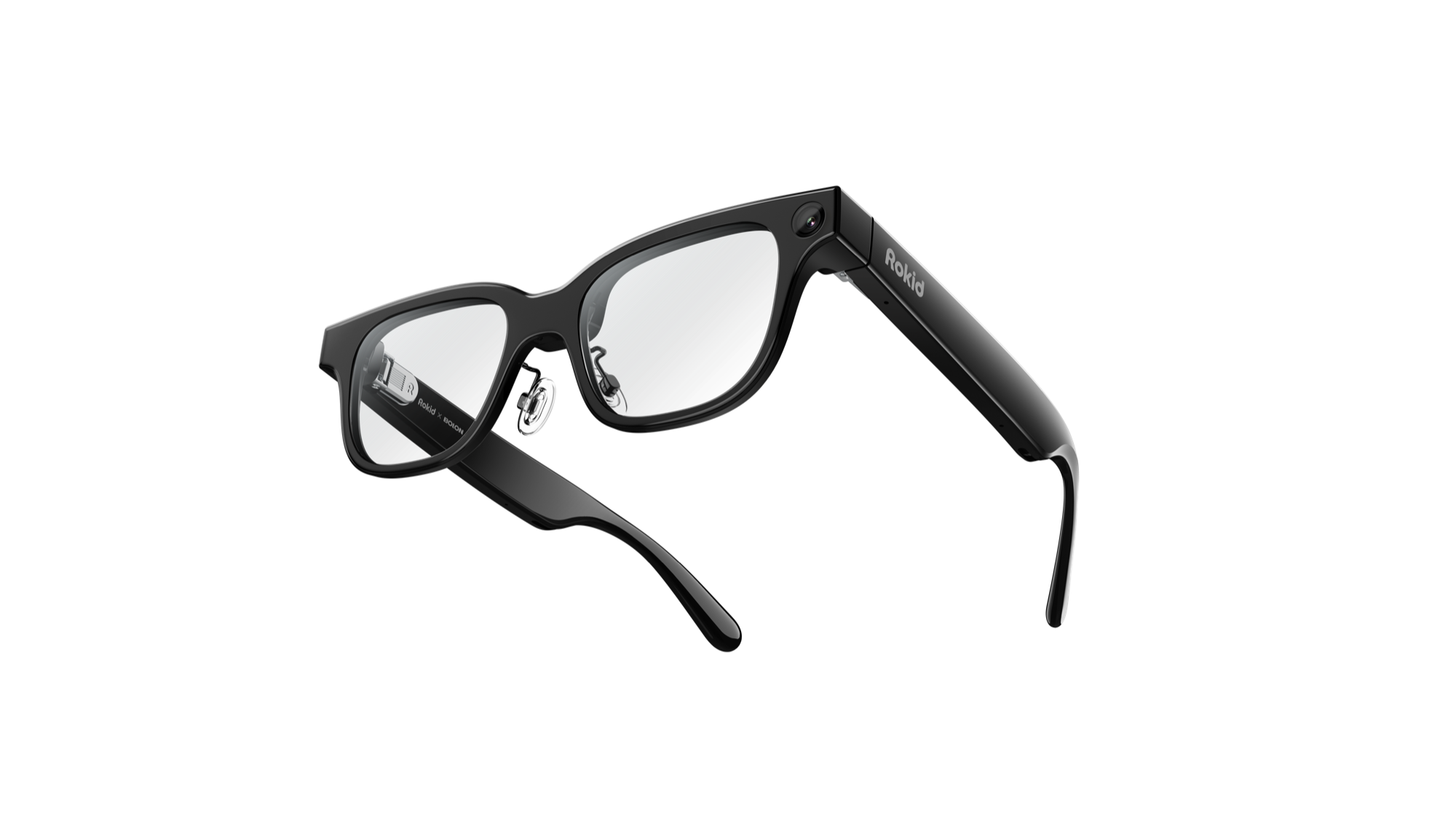
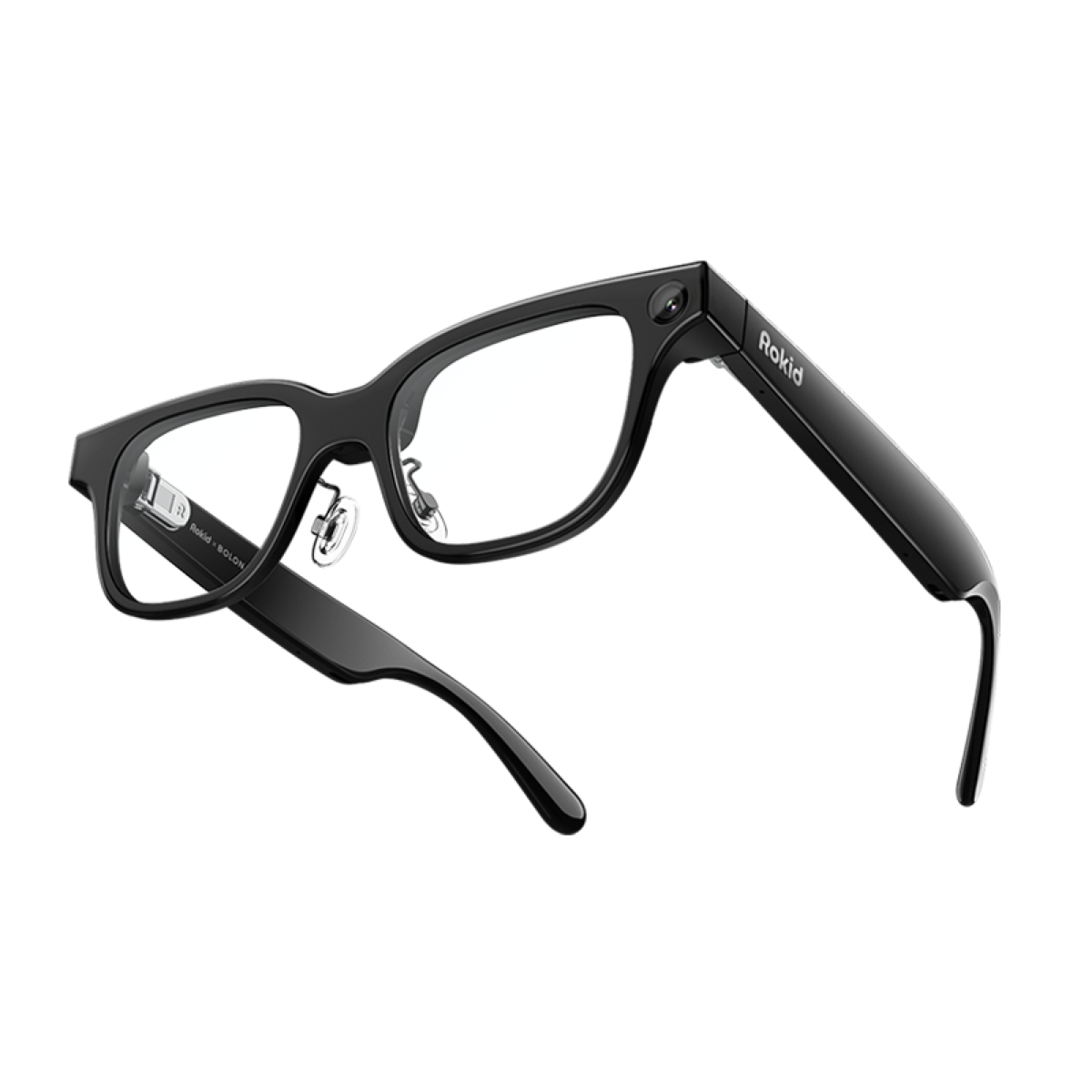
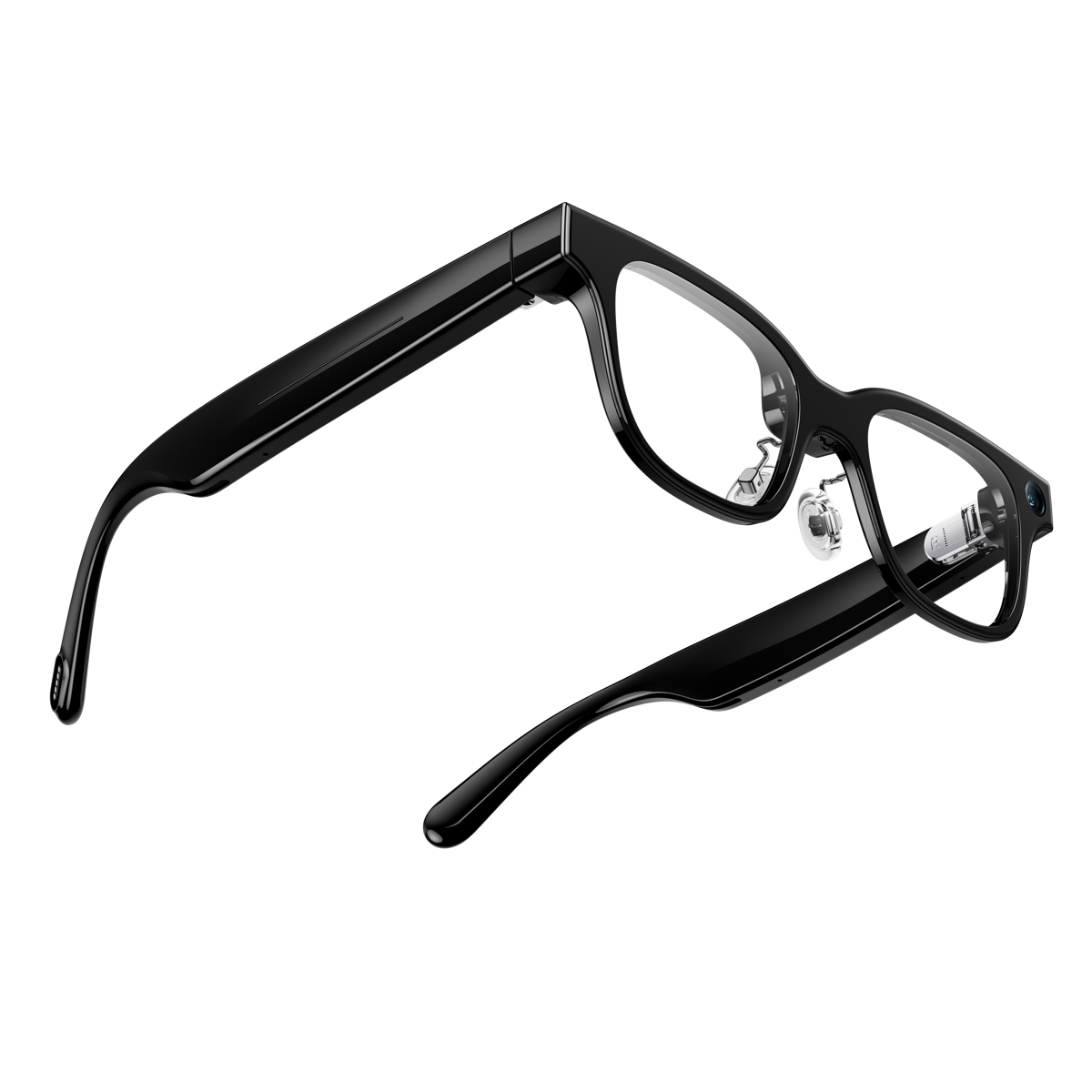
Per glass: 49g smart glasses + Type-C cable + protective case + 2-year warranty.
Per deployment: audio interface + charging stations + on-site setup training (1 week with XPERT engineer for first deployment). Audience members use their own smartphones with the free OWL app — no companion mobile required.
Pricing & minimum order — is there really no minimum?
For non-exclusive purchase, no minimum — buy 1 unit, 10 units, 100 units. For exclusive city distribution rights, the MOQ is 50 units (~€30,000 commitment). Rental has a soft minimum of 5 units / 3 days. Full pricing and configurator at owl.citf.cy/shop.